
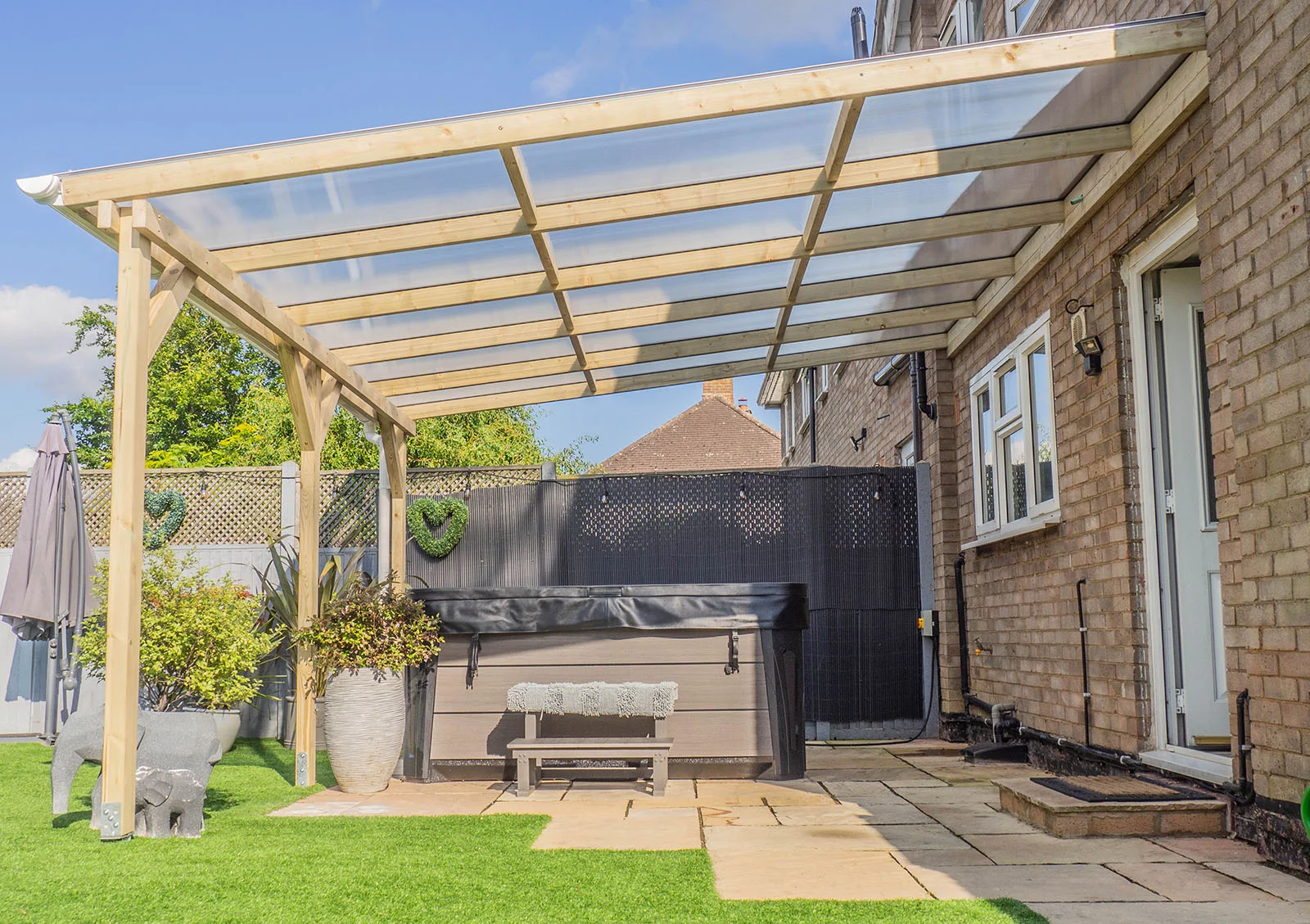
A Practical, No-Nonsense Guide for Homeowners
If you’ve been looking into pergola roofing options in Cape Town, chances are polycarbonate has come up more than once. And usually the question isn’t “What is it?”, it’s “Is it actually a good idea for my pergola?”
That’s exactly what this guide is here to answer.
I’m not here to oversell polycarbonate or tell you it’s the perfect solution for every pergola. Like most things in construction, it works brilliantly in the right setup, and poorly when it’s used in the wrong way or installed badly.
Let’s break it down properly, using real Cape Town conditions as the backdrop.
What Is Polycarbonate Roofing?
Polycarbonate roofing is a high-strength plastic sheet designed to let light through while offering protection from UV, rain, and wind. It’s not the same as cheap plastic or fibreglass sheets you might remember from old carports.
Modern polycarbonate is:
- UV-stabilised
- Impact resistant
- Designed for outdoor structural use
When paired with a wooden pergola, it gives you weather protection without turning the space into a dark, boxed-in area.
That’s why it’s become popular across Cape Town, from small courtyards to large entertainment pergolas.
Why Polycarbonate Is Popular for Pergolas in Cape Town
Cape Town homes have a unique challenge:
- Strong sun
- Seasonal rain
- Wind (sometimes serious wind)
Homeowners want shade and shelter without losing light or airflow. Polycarbonate ticks that box when used correctly.
It works especially well for:
- Braai areas
- Outdoor dining spaces
- Poolside pergolas
- Decks and courtyards
You stay protected, but the space still feels open.
Types of Polycarbonate Roofing for Pergolas
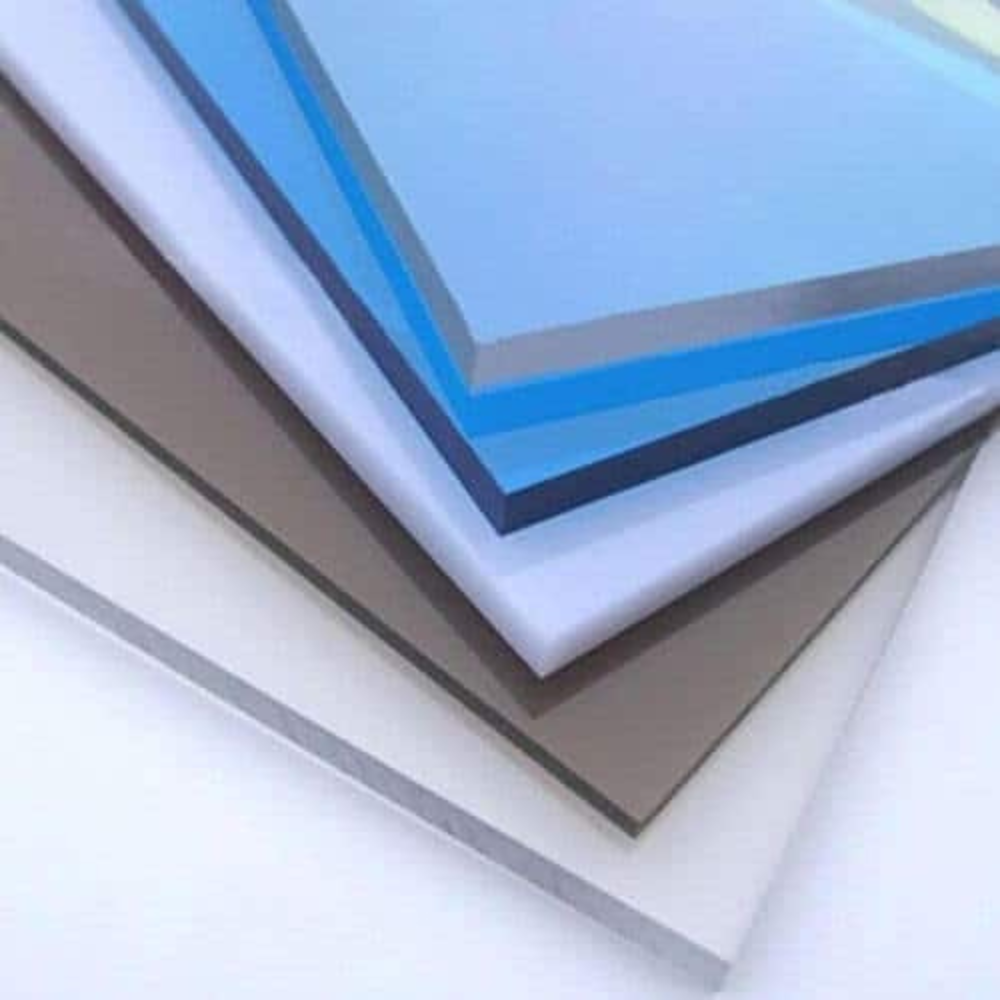
Solid Polycarbonate Sheets
This is the premium option.
It looks almost like glass but is far stronger and lighter. It handles wind well and doesn’t shatter.
Best for:
- Modern homes
- Wind-exposed areas
- Pergolas where clean lines matter
It costs more, but it performs better in the long term.
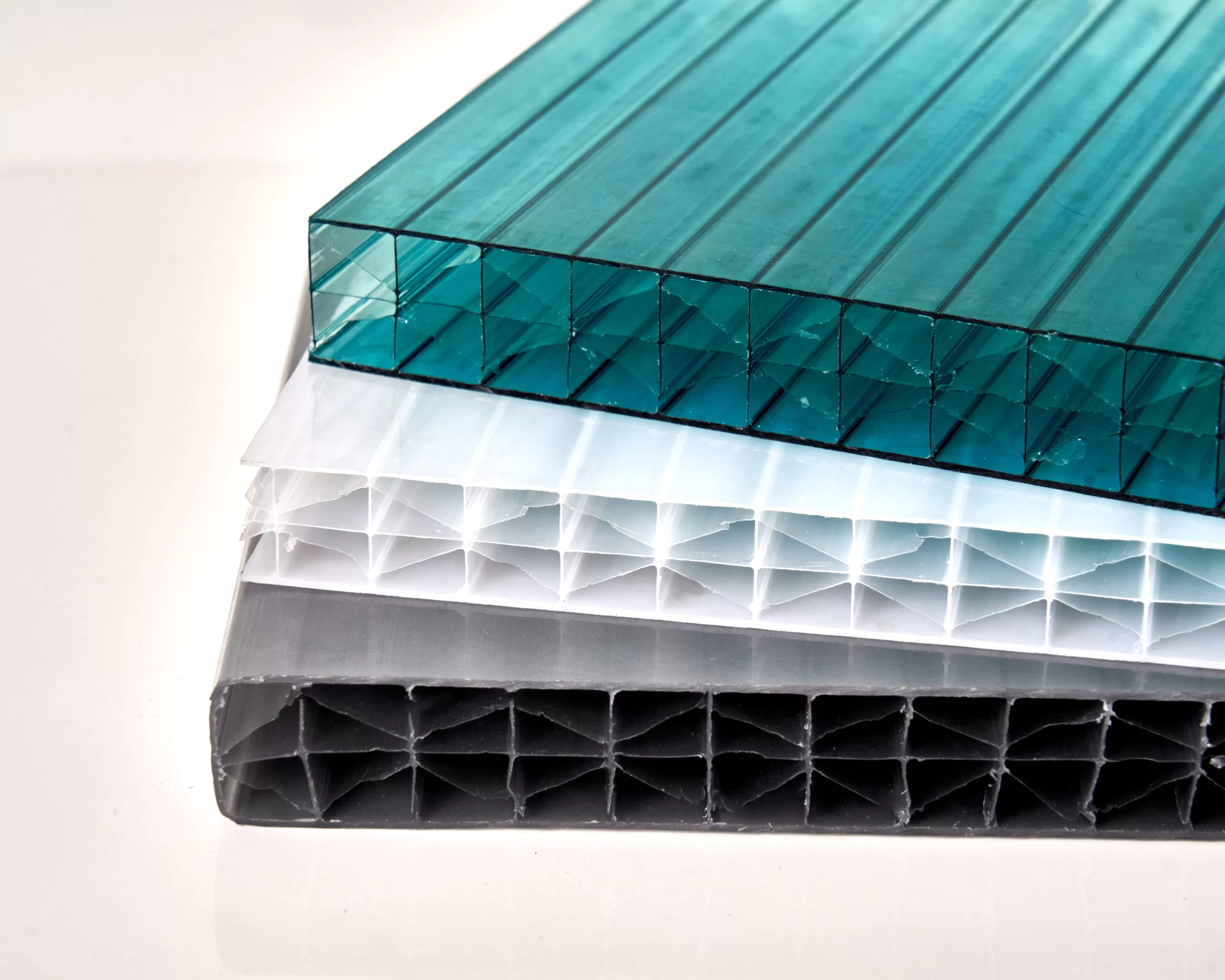
Twinwall / Multiwall Polycarbonate
This product features internal channels that enhance insulation and light diffusion.
Best for:
- Harsh sun areas
- Spaces where glare control matters
- Homeowners worried about heat build-up
You lose some clarity, but gain comfort.
Clear vs Tinted vs Opal Sheets
- Clear: Maximum light, more heat
- Tinted: Reduced glare and heat
- Opal (white): Soft, even light with less heat
Choosing the right one makes a big difference to how comfortable the space feels.
Why Polycarbonate Works Well on Wooden Pergolas
Here’s the real reason homeowners choose it.
Light Without Full Exposure
You still get daylight, but without sitting in direct sunlight.
UV Protection
Quality sheets block harmful UV rays, protecting people and outdoor furniture.
Weather Protection
Rain doesn’t stop the braai. Enough said.
Keeps the Pergola Feel
Unlike solid roofing, polycarbonate keeps things visually open.
Polycarbonate vs Other Pergola Roof Options
Let’s be honest about comparisons.
- Polycarbonate Vs Shade Cloth
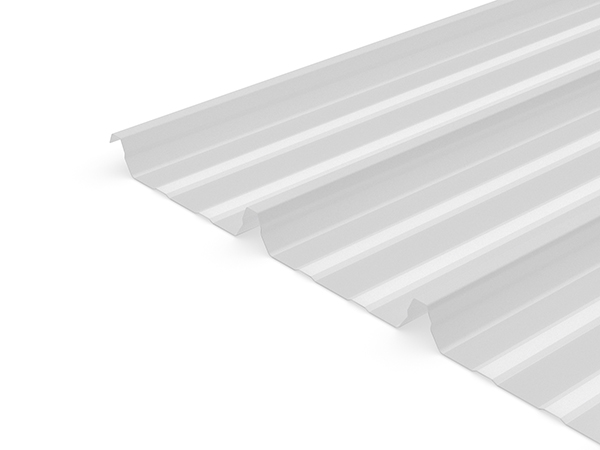
Better rain protection, longer lifespan, and higher upfront cost. - Polycarbonate Vs Metal Roofing (IBR)
Quieter, lighter, more light, but less “industrial”. - Polycarbonate Vs Louvre Systems
Much cheaper, less complex, but not adjustable.
No option is perfect. Polycarbonate just sits nicely in the middle.
Cost of Polycarbonate Roofing for Pergolas in Cape Town
What Affects the Price
- Sheet type and thickness
- UV rating and brand quality
- Pergola size
- Fixing system
- Installation complexity
Typical Cost Ranges – Cape Town
(Installed, excluding pergola structure)
- Entry-level polycarbonate: R750 – R1,100 per m²
- Mid-range UV-protected sheets: R1,200 – R1,800 per m²
- Solid polycarbonate systems: R2,000 – R3,000+ per m²
These are realistic ranges, not “marketing prices”.
Cost vs Value: Is Polycarbonate Worth It?
Here’s the honest answer: it depends on how long you plan to use the space.
Polycarbonate offers:
- Low maintenance
- Long lifespan (10–15 years if installed properly)
- Better year-round usability
Cheaper options often cost more in the long run when replacements are factored in.
Heat, Glare & Comfort (Biggest Concerns)
This is where mistakes happen.
Polycarbonate can get hot if:
- The wrong sheet is used
- There’s no ventilation
- The pergola faces harsh afternoon sun
Good design solves this:
- Tinted or opal sheets
- Partial coverage
- Sloped roofs
- Open sides
It’s not just the material, it’s how it’s used.
Noise, Rain & Wind Performance
Compared to metal roofing, polycarbonate is much quieter in the rain.
Wind performance depends entirely on:
- Proper fixing
- Correct sheet spacing
- Quality framing
Bad installs fail. Good installs last.
Maintenance & Lifespan
Maintenance is simple:
- Occasional wash
- No harsh chemicals
Quality sheets won’t yellow quickly, but cheap ones will. That’s usually where regrets come from.
Design Considerations for Polycarbonate Pergolas
Polycarbonate pairs well with:
- Warm timber tones
- Modern pergola designs
- Sloped or skillion roofs
It also works well combined with:
- Timber slats
- Shade cloth sections
Design matters more than people think.
Professional Installation vs DIY
This isn’t a great DIY job.
Common DIY problems:
- Leaks
- Poor expansion allowance
- Wind damage
A pergola roof must move with temperature changes. That detail alone catches most DIY installs.
Is Polycarbonate Right for Your Pergola?
It’s a good choice if:
- You want light and weather protection
- You use the space often
- You want low maintenance
It may not be ideal if:
- You want total sun control
- You prefer a solid roof look
Final Thoughts
Polycarbonate roofing isn’t magic, but used properly, it’s one of the most practical pergola roofing options for Cape Town homes.
Get the right sheet, the right design, and the right installer, and you’ll enjoy the space far more often.
Next Step
If you’re unsure which pergola roof suits your space, a site visit makes all the difference. Orientation, wind, and sun exposure matter more than brochures. Read the full guide on wooden pergola installation in Cape Town.
1 thought on “Polycarbonate Roofing for Wooden Pergolas in Cape Town”