
(A practical, no-BS answer especially for Cape Town)
There isn’t one “best” wood for every pergola.
The best wood depends on:
- Your budget
- Where you live: coastal or inland
- How much maintenance you’re willing to do
- How long you want the pergola to last
Let’s break it down properly.
The 3 Woods Most Commonly Used for Pergolas in South Africa
In real-world builds, these are the woods you’ll actually encounter:
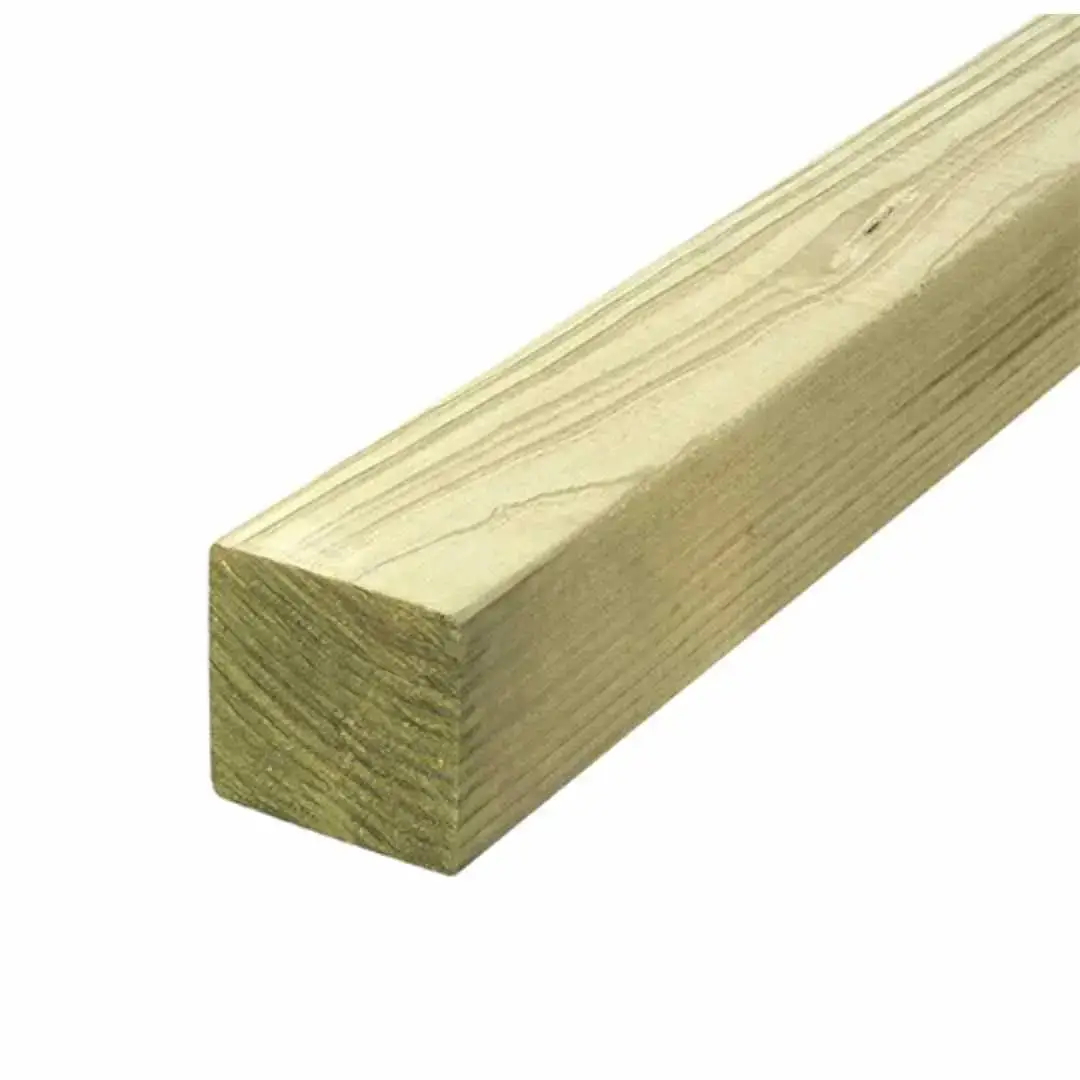
- Treated Pine
- Balau (Hardwood)
- Garapa (Hardwood)
I’ll compare them on cost, durability, and maintenance, because that’s what matters.
Treated Pine, the budget-friendly option
Cost
- Cheapest option
- Readily available
- Easy to work with
Typical cost level: Low
Durability
- Pressure-treated to resist insects and rot
- Performs reasonably well inland
- Struggles long-term near the coast
In Cape Town:
- Shorter lifespan in wind and salt air
- Needs good sealing and proper drainage
Expected lifespan:
8–12 years (with good care)
Maintenance
- Needs regular sealing or painting
- More prone to cracking and movement
- Fixings must be stainless steel
Maintenance level: High
When Pine Makes Sense
- Tight budget
- Sheltered garden
- Short-to-medium-term use
- Painted pergolas
Learn more about treated pine pergola installation.
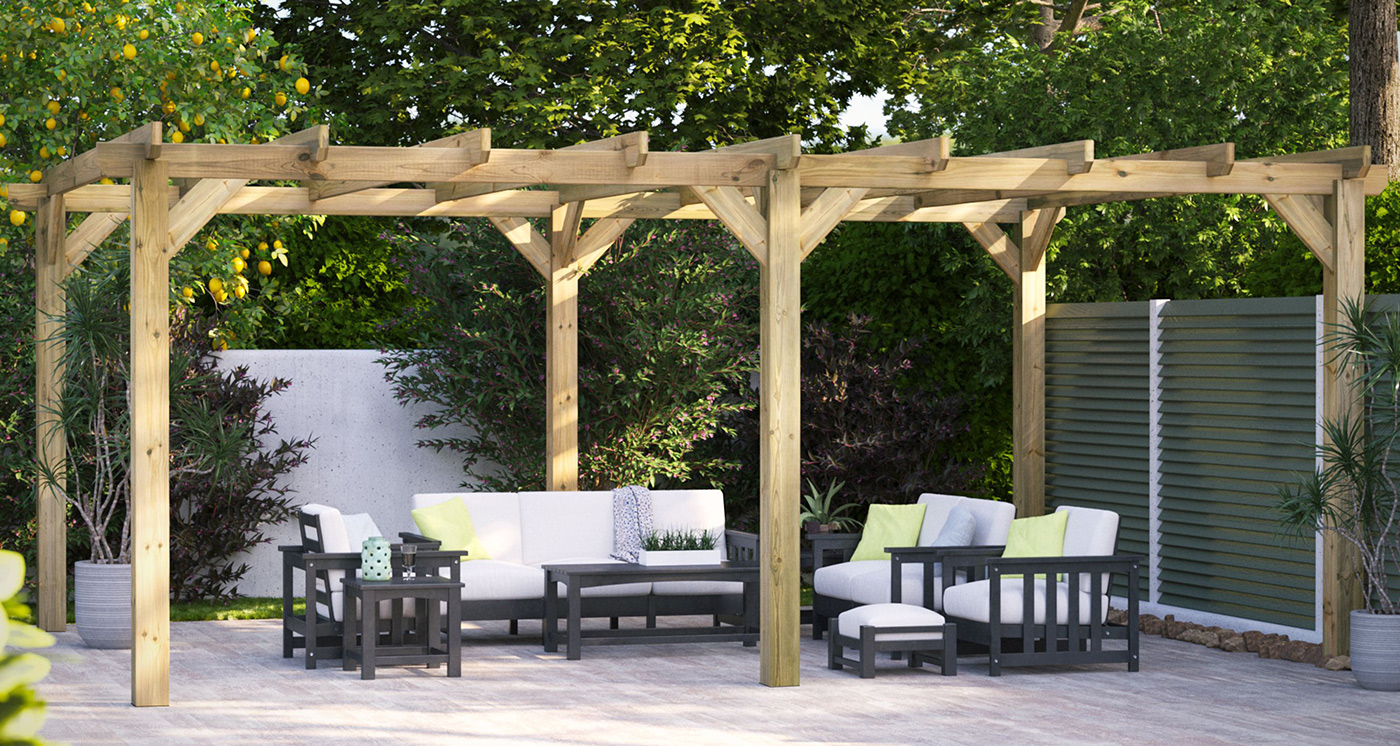
Balau Hardwood, Strong, dense, and traditional
Cost
- More expensive than pine
- Heavy and labour-intensive
- Price fluctuates due to the import supply
Typical cost level: High
Durability
- Extremely dense hardwood
- Naturally resistant to rot and insects
- Handles wind and load well
In Cape Town:
- Performs well structurally
- Can weather unevenly if not maintained
Expected lifespan:
15–25+ years
Maintenance
- Requires oiling to prevent greying
- Can surface crack if neglected
- Heavy timber means higher labour costs
Maintenance level: Medium
When Balau Makes Sense
- Large pergolas
- High wind exposure
- Clients who prefer darker wood tones
- Structural strength is a priority
Learn more about balau pergola installation.
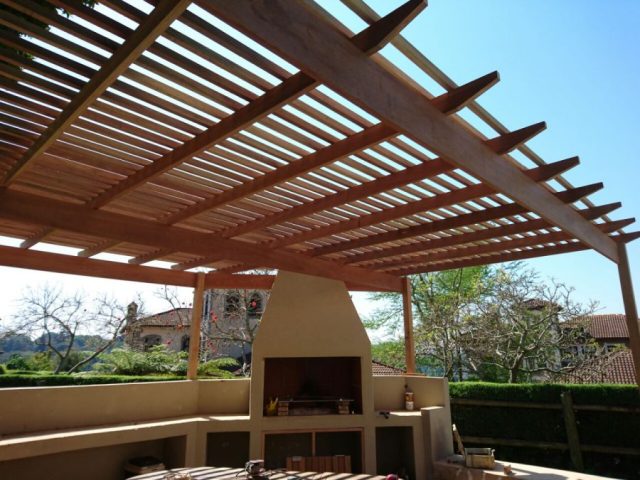
Garapa Hardwood, The premium sweet spot
Cost
- Slightly less than Balau in many cases
- More stable and consistent quality
- Increasingly popular in Cape Town
Typical cost level: Medium–High
Durability
- Dense, durable hardwood
- Naturally resistant to decay
- Performs exceptionally well in coastal areas
In Cape Town:
- Excellent resistance to sun and salt air
- Less movement than Balau
Expected lifespan:
20–30+ years
Maintenance
- Can be left to weather naturally
- Optional oiling for colour retention
- Fewer cracks and splinters over time
Maintenance level: Low–Medium
When Garapa Makes Sense
- Coastal homes
- Low-maintenance clients
- Premium look without excessive upkeep
- Long-term investment
Learn more about garapa pergola installation.
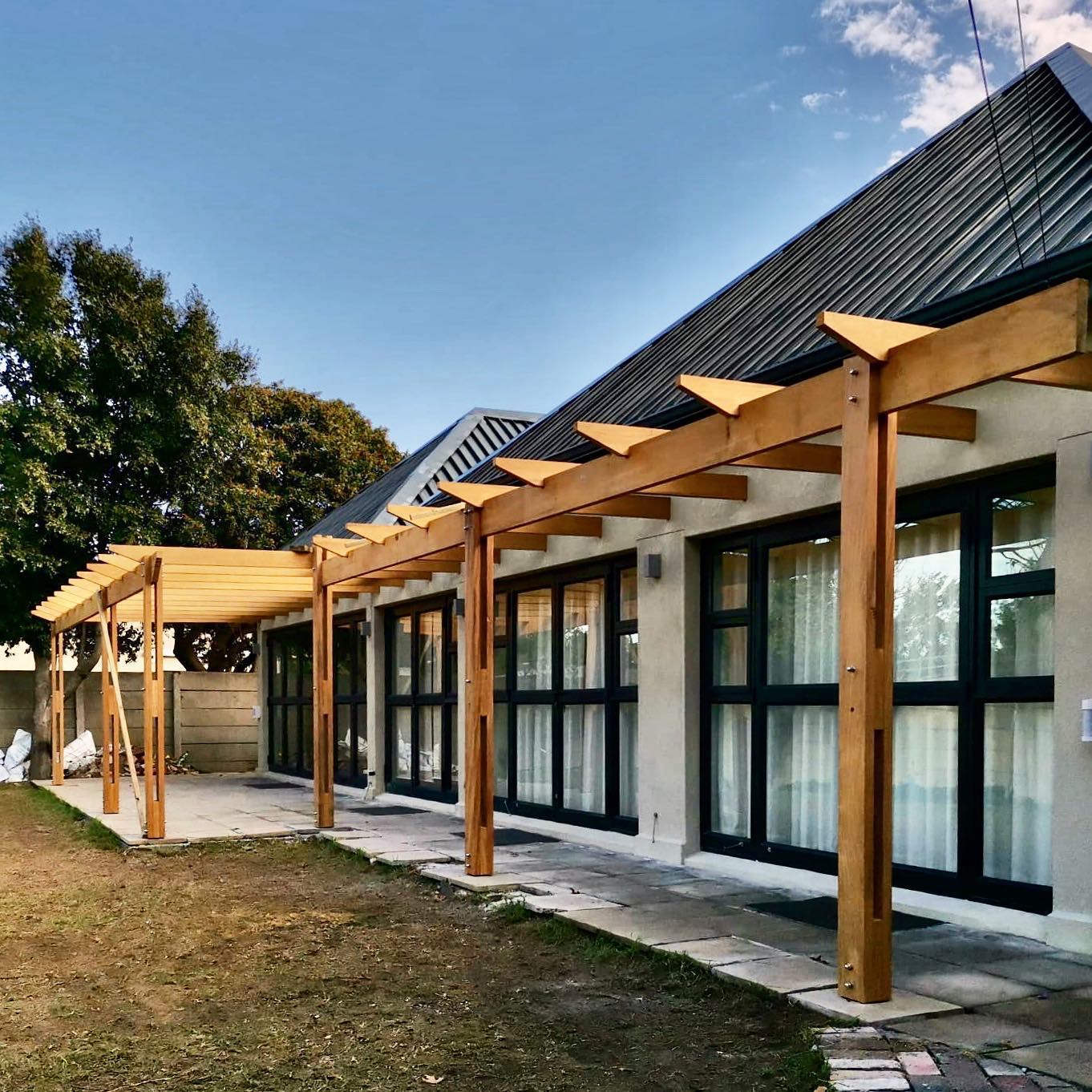
Quick Comparison Table
| Wood Type | Cost | Durability | Maintenance | Best For |
| Treated Pine | Low | Medium | High | Budget builds |
| Balau | High | High | Medium | Heavy-duty structures |
| Garapa | Medium–High | Very High | Low–Medium | Coastal homes |
Read this guide for the costs of installing a pergola in Cape Town.
Wood We Recommend for Cape Town
If you’re asking “what’s best”, not “what’s cheapest”:
- Coastal or windy areas: Garapa
- Long-term investment: Garapa
- Large structural pergolas: Balau
- Tight budget: Treated pine (with eyes open)
Most Cape Town homeowners who regret their pergola choice regret choosing cheap timber, not good timber.
The Hidden Cost Mistake Most People Make
They compare:
Pine vs hardwood price today
Instead of:
Total cost over 20 years
A hardwood pergola:
- Costs more upfront
- Costs less to maintain
- Lasts much longer
That usually makes it cheaper per year of use.
Final Wood Recommendation
If you want the best overall wood for a pergola in South Africa, especially in Cape Town:
Garapa is the best balance of cost, durability, and maintenance.
It’s not the cheapest, but it’s often the smartest.
Want Help Choosing the Right Timber for a Pergola?
Every site is different.
Wind, sun, proximity to the ocean, it all matters.
Book a free pergola consultation in Cape Town
I’ll help you choose the wood that makes sense for your home, not just what looks good on paper.