
Wooden Pergola Storm Repair in Constantia
Constantia, Cape Town
1 – 2 June, 2026
2 Days
Project at a Glance
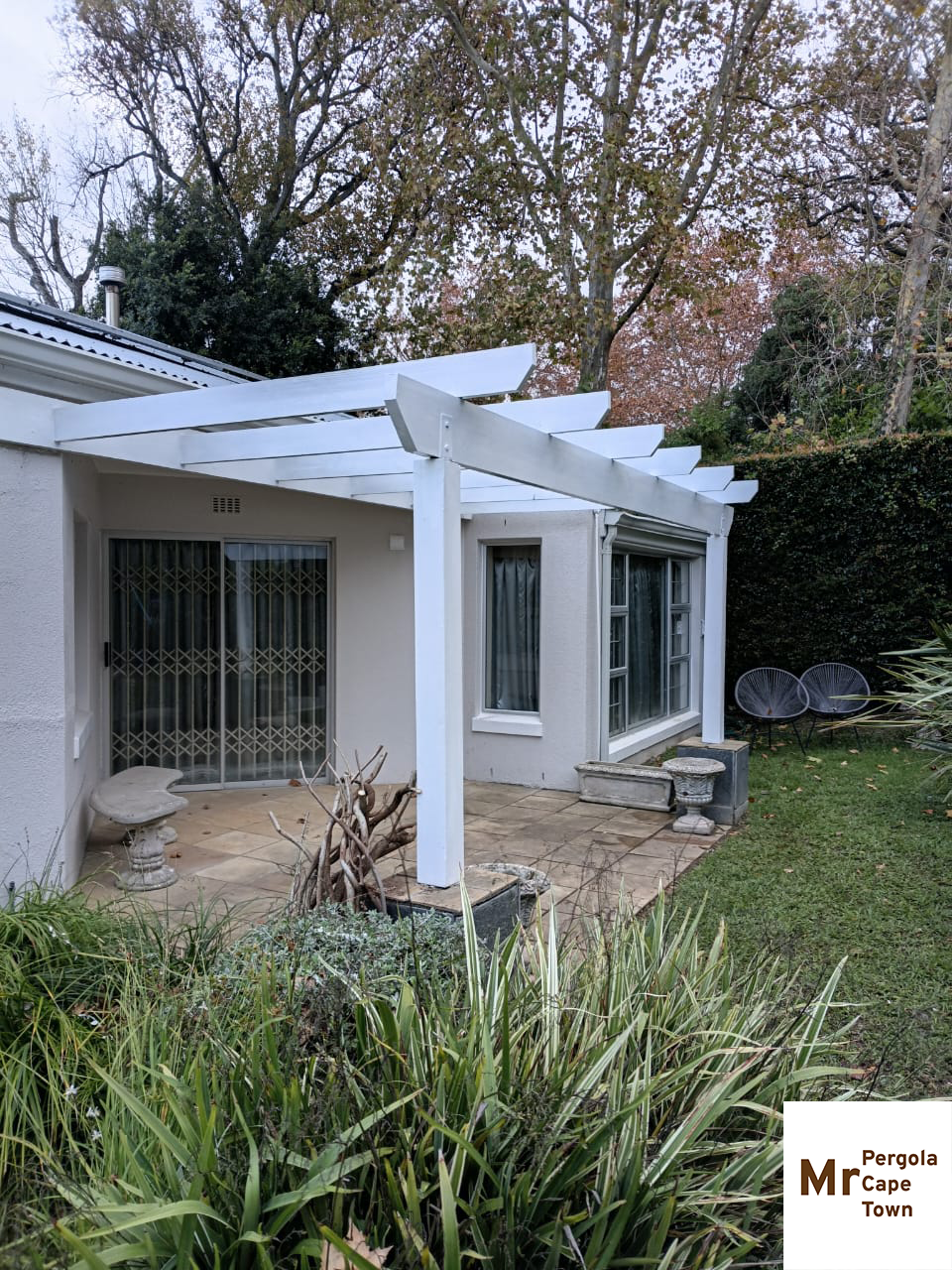
PROJECT SPECIFICATIONS
| Location | Constantia, Cape Town |
| Project Type | Storm damage repair & restoration |
| Cause of Damage | Heavy rainfall and high winds, May — Cape Town |
| Damage Extent | Broken and fallen beams, rafters, and battens |
| Approx. Size | Medium pergola — 3m–5m × 3m–4m |
| Wood Used | CCA H3 Treated Pine (like-for-like replacement) |
| Finish | Full prime coat + enamel white topcoat |
| Completion Time | 2 working days |
| Outcome | Pergola fully restored to original condition |
THE CLIENT’S SITUATION
What Happened: May Storm Damage in Cape Town
May 2026 brought some of the most damaging rainfall Cape Town had seen in years. Across the city, from the Southern Suburbs to the Cape Flats, flash flooding, fallen trees, and structural damage to outdoor structures were widely reported. Constantia, nestled at the foot of the mountain and exposed to strong south-easterly and north-westerly winds during storm events, was no exception.
For one homeowner in Constantia, the storms left their wooden pergola in a state that made it unusable. The force of the rain and wind had caused multiple planks across the beams, rafters, and batten layer to crack, splinter, and, in several cases, fall away from the structure entirely. What had been a carefully maintained outdoor feature was now a safety hazard and an eyesore.
The Owner’s Goal: Full Restoration
The client’s brief was clear: they did not want a new pergola. They wanted their existing pergola restored to exactly what it was before the storm. This is an important distinction. Many contractors would default to a full replacement, which is more straightforward but significantly more expensive and disruptive. The client had an emotional and aesthetic investment in the existing structure, and they simply wanted it whole again.
The specific requirements were:
- All broken and damaged wood to be fully replaced with matching timber
- The finished result to be visually indistinguishable from the pre-storm pergola
- A clean, durable painted finish, white enamel to match the existing aesthetic
- Minimal disruption and a fast turnaround
Storm damage to a pergola does not automatically mean full replacement. In most cases, a skilled repair that replaces only the damaged members is the smarter, more cost-effective outcome, and the result is structurally and visually equivalent to new.
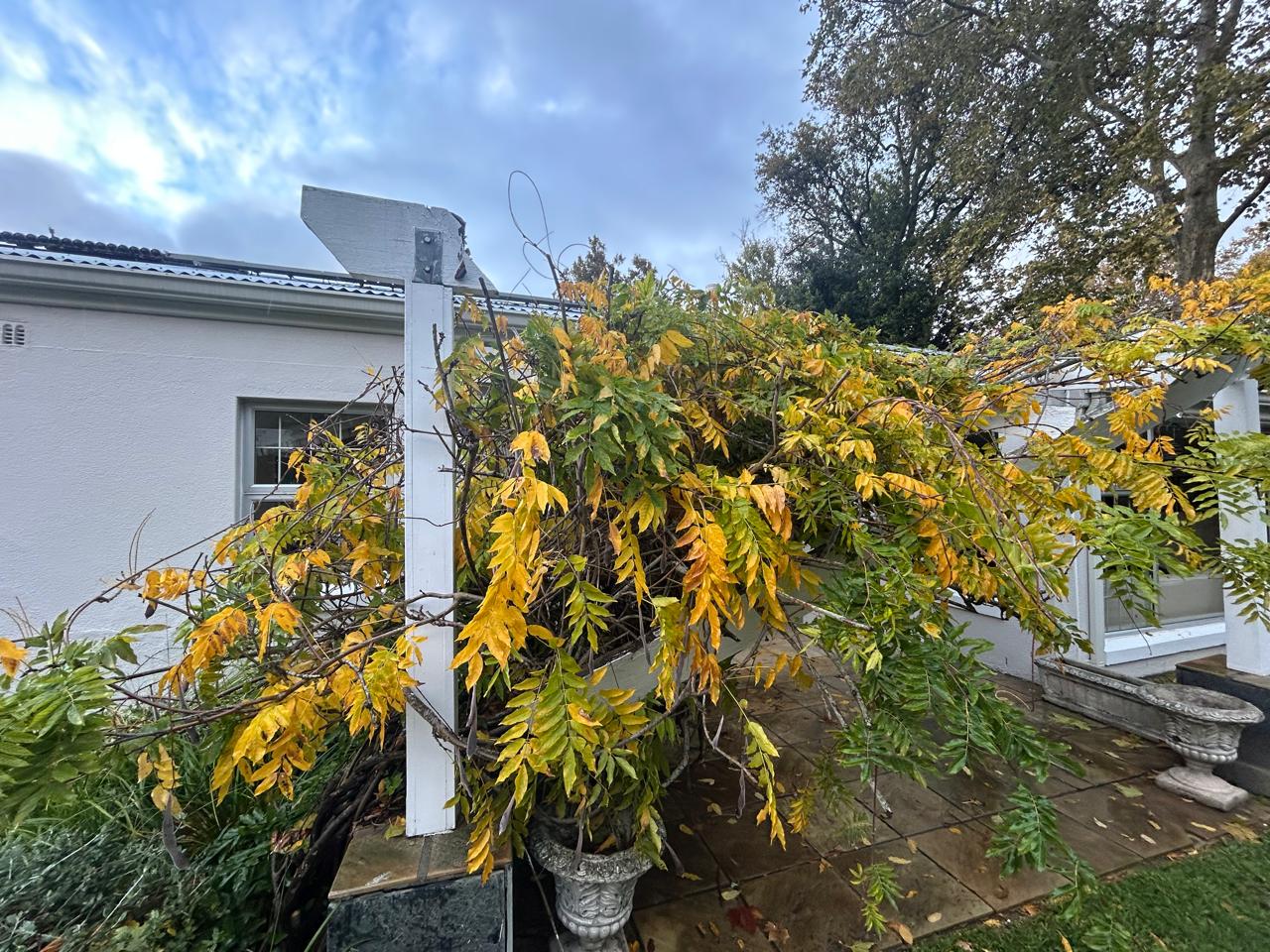
DAMAGE ASSESSMENT
Assessing the Damage: What the Storm Actually Did
Before any repair work could begin, the team conducted a thorough inspection of the full structure. Storm damage to pergolas is rarely limited to what is visible at first glance. Water infiltration, prolonged saturation, and wind-induced movement can weaken fasteners, loosen brackets, and compromise members that appear intact from below.
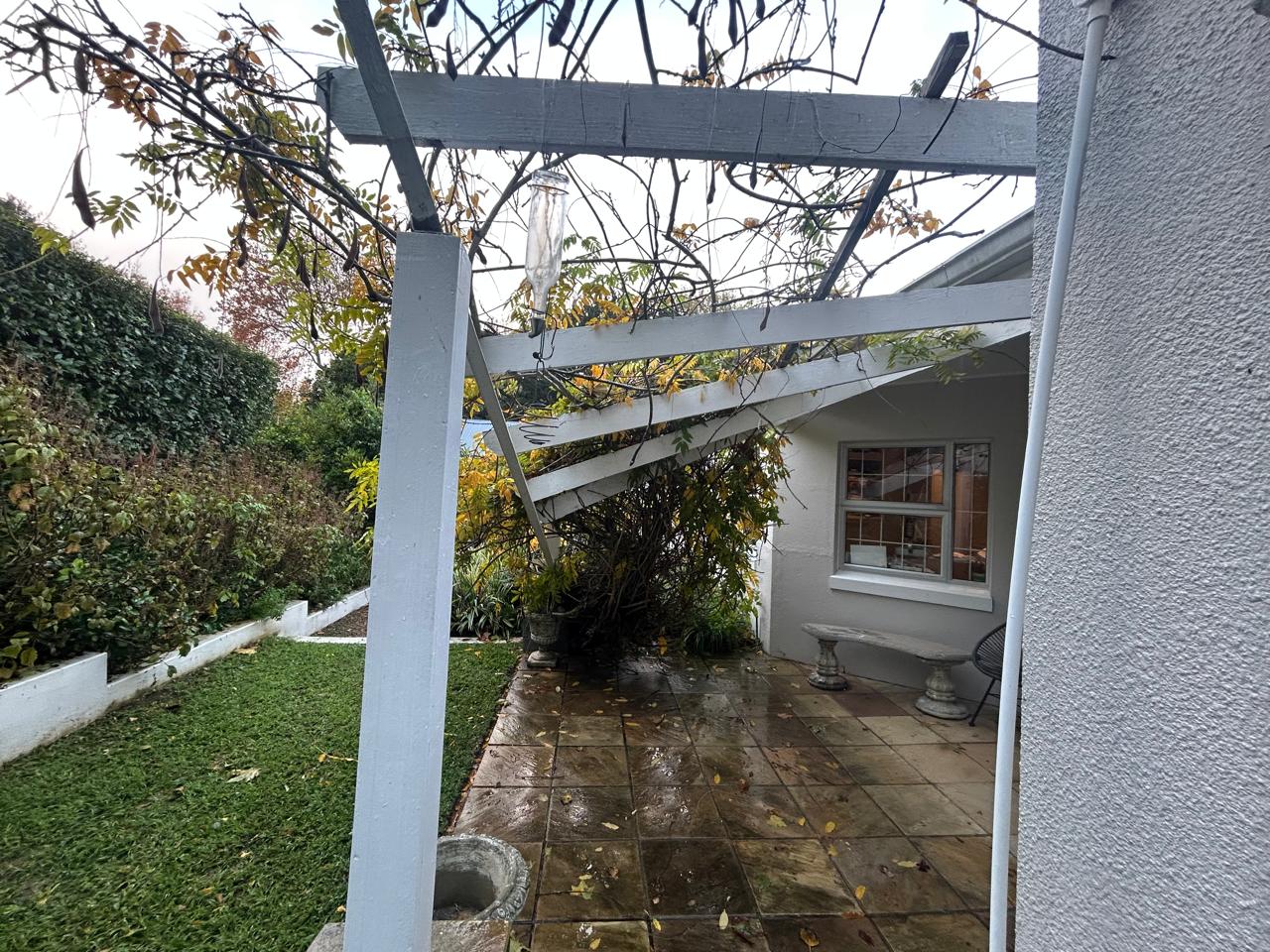
Damage Found Across Three Layers
The inspection identified damage across all three structural layers of the pergola:
| Beams | Primary load-bearing members showed cracking and splitting along the grain where water had penetrated and expanded the fibres. One beam had partially separated from its wall bracket |
| Rafters | Multiple rafters had fractured mid-span under the combined weight of water pooling and wind uplift. Several had dropped one end, leaving the batten layer unsupported. |
| Battens | The batten layer, the most exposed part of the structure, sustained the most visible damage. Numerous battens had snapped, split lengthways, or been blown free of the structure entirely. |
At Mr Pergola Cape Town, we offer professional wooden pergola repairs in Cape Town.
Materials: Like-for-Like Treated Pine Replacement
CCA H3 Treated Pine was selected as the replacement timber across all three structural layers. This matched the species and treatment specification of the original pergola, ensuring structural consistency and a uniform appearance once painted. Read more on treated pine pergolas.
Why Treated Pine for a Repair Job?
Using the same timber species as the original is important for both structural and aesthetic reasons. Different wood species expand and contract at different rates with changes in temperature and humidity. Mixing species within a single structure can lead to differential movement, causing joints to work loose and finishes to crack over time. By specifying CCA-treated pine to match the existing members, the repaired sections will behave identically to the original timber under Cape Town’s seasonal climate swings.
CCA H3 treatment also provides the ongoing protection the repair requires. Treated pine used in outdoor above-ground applications resists the decay, fungal growth, and insect damage that caused the original timber to fail under sustained moisture exposure during the storm.
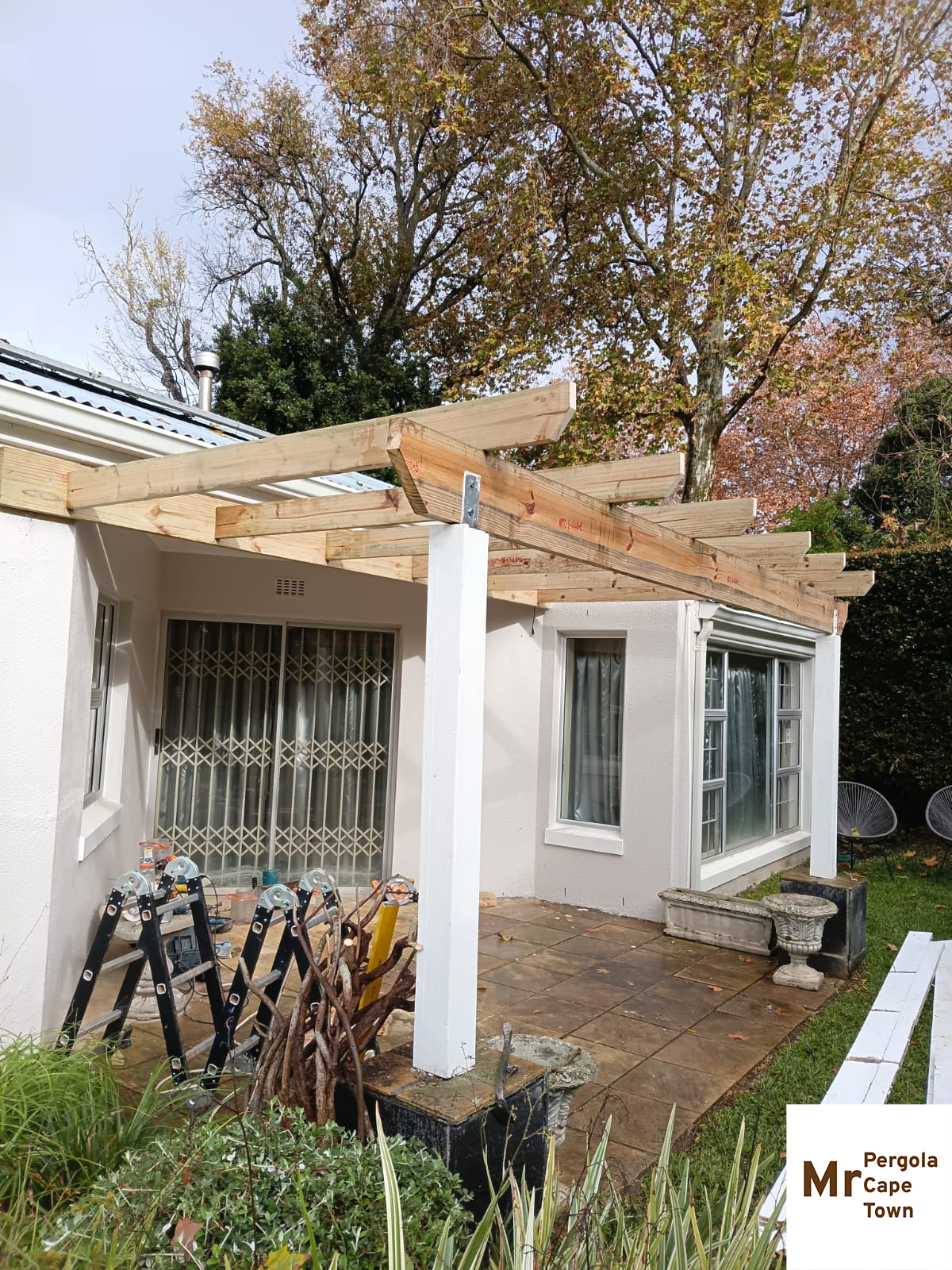
Finish: Prime Coat and Enamel White
Once all replacement timber was installed and structurally secured, the finishing process followed a professional two-stage system:
- A full prime coat was applied to all new timber surfaces. Priming is a non-negotiable step on new outdoor wood; it seals the surface, prevents moisture from penetrating before the topcoat is applied, and ensures the enamel adheres properly and evenly. Skipping the primer coat is a common shortcut that leads to paint peeling within months.
- An enamel white topcoat was applied over the cured primer. Enamel paint was chosen for its hardness, UV resistance, and washability all qualities that matter on an outdoor structure exposed to sun, rain, and general use. The white finish matched the existing painted sections of the pergola, restoring visual consistency across the whole structure.
Priming before painting is the step that separates a paint job that lasts two years from one that lasts ten. On outdoor timber exposed to the Western Cape climate, a proper primer is not optional; it is the foundation the topcoat depends on.
REPAIR PROCESS
The Repair: From Damaged Structure to Fully Restored Pergola
The full repair from removing the damaged timber to the final enamel topcoat was completed in two working days. Here is the sequence followed on site:
Day One: Structural Removal and Replacement
1
Safe removal of all broken, cracked, and unstable timber members across the beam, rafter, and batten layers
2
Inspection of all existing brackets, joist hangers, screws, and fixings, replacing any that showed corrosion or stress damage
3
Pre-cutting of all replacement treated pine members to match the original dimensions exactly
4
Installation of replacement beams, with careful alignment to the original wall attachment points and column bearing positions
5
Fitting of new rafters at the original spacing, using galvanised rafter brackets for secure, corrosion-resistant connections
6
Laying and fastening of all replacement battens at the original spacing to restore the roof profile
7
Full structural check: level, alignment, fastener tightness, and load transfer confirmed across the repaired sections
Day Two: Priming and Painting
1
Surface preparation: sanding of all new timber to remove mill glaze and open the grain for primer penetration
2
Application of a full prime coat to all new timber surfaces, beams, rafters, and battens and allowed to cure
3
Inspection of the cured primer layer for any bare spots or runs, touched up where needed
4
Application of enamel white topcoat, carefully feathering new painted sections into the existing painted areas for a seamless finish
5
Final site clean-up and inspection with the homeowner
CHALLENGES & DECISIONS
The Repair Challenge: Matching Old and New
The most technically demanding aspect of a restoration repair as opposed to a new build is achieving visual continuity between the repaired sections and the existing structure. The homeowner’s goal was a pergola that looked whole and consistent, not one that showed an obvious patchwork of new and old.
Matching the Timber Profile
The replacement beams, rafters, and battens were cut to exactly match the profile dimensions of the original members. This required careful measurement of the surviving original timber before any removal work began. Even small differences in depth or width between old and new sections would be visible once painted, creating uneven shadow lines across the structure.
Blending the Paint Finish
The existing painted sections of the pergola had weathered over time; even white enamel picks up subtle tonal variation with UV exposure. Matching fresh enamel white perfectly to aged painted timber is a skilled task. The team applied the topcoat in a way that feathered the new paint into the existing finish at every junction, minimising the contrast between old and new painted surfaces. Once cured, the finish reads as a single, continuous coat across the whole structure.
“The goal of a good restoration is that you can’t tell where the repair was done. That requires more care and skill than painting everything the same colour; it requires understanding how the existing finish has aged and working with that, not against it.” Mr Pergola Cape Town
LONGEVITY
Why This Repair Will Hold
A properly executed pergola repair can match the lifespan of a new build if the right materials and processes are used. On this project, several deliberate decisions were made to ensure the repaired structure performs for the long term, not just until the next Cape Town winter.
| CCA H3 Treated Pine | Pressure-treated to resist decay, fungi, and insects in all outdoor above-ground conditions |
| Galvanised hardware | Corrosion-resistant brackets and screws throughout, no rust streaking or fastener failure |
| Full primer application | Seals timber fibres against moisture infiltration before topcoat is applied |
| Enamel topcoat | Hard, UV-resistant finish that does not soften or peel under Western Cape sun and rain exposure |
| Like-for-like sizing | Replacement members sized identically to originals, preventing differential flex and joint stress |
| Hardware inspection | All existing fixings assessed and replaced where needed, not assumed to be sound |
Recommended Maintenance
- Inspect all fixings and brackets annually, particularly after any significant storm event
- Clean the pergola with a soft brush and mild detergent once a year to prevent lichen and algae buildup
- Repaint with an enamel topcoat every 4 to 6 years, or whenever the paint shows chalking or bare patches
- Check wall attachment points for water ingress after heavy rain
The Outcome: Fully Restored in Two Days
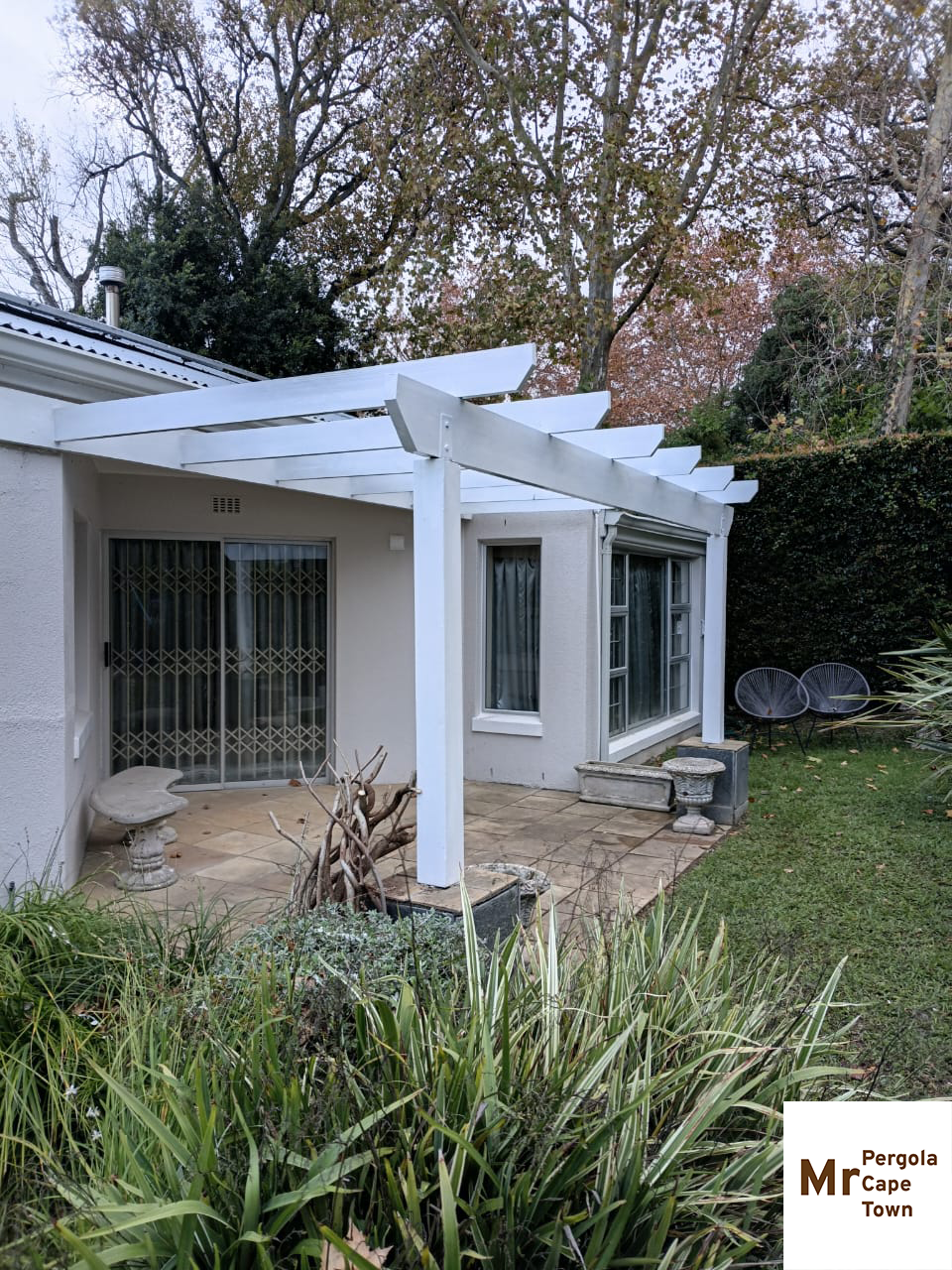
The completed repair returned the Constantia pergola to its full pre-storm condition. All broken and fallen timber members were replaced with matching treated pine, properly fastened with galvanised hardware, and finished with a primed enamel white coat that blended seamlessly with the existing painted sections.
The homeowner’s goal to have their pergola restored to exactly what it was was met in full. The structure is safe, stable, and visually consistent from every angle. It is once again fit for everyday use as an outdoor living and entertaining space.
Summary of What Was Achieved
- All storm-damaged beams, rafters, and battens identified, removed, and replaced
- Like-for-like CCA-treated pine used throughout for structural and dimensional consistency
- All existing brackets and fixings inspected and replaced where compromised
- Full prime coat applied to all new timber before topcoat
- Enamel white finish blended seamlessly into existing painted surfaces
- Structural integrity confirmed across the full repaired structure
- Entire repair completed in two working days with minimal disruption
Questions Homeowners Ask About Pergola Storm Damage Repairs
In most cases, yes, and it is usually the smarter choice. As long as the primary structure (posts, footings, and main wall attachments) is sound, individual damaged members such as beams, rafters, and battens can be replaced selectively. A targeted repair costs significantly less than a full rebuild, causes less disruption, and can produce a result that is visually and structurally equivalent to a new pergola. Mr Pergola will always inspect the structure before recommending a course of action.
Not if the repair is done properly. Matching the timber profile dimensions and blending the paint finish carefully at every junction ensures the repaired sections read as part of the whole structure. This requires more care than simply painting everything the same colour, but it is the standard we hold ourselves to on every restoration job.
A repair of this scale, replacing beams, rafters, and battens across a medium pergola, plus priming and painting, was completed in two working days. The timeline depends on the extent of the damage and the number of members to be replaced, but in most cases a targeted repair is significantly faster than a full rebuild.
Yes. Mr Pergola Cape Town repairs and restores wooden pergolas across all of Cape Town’s suburbs, including Constantia, Bishopscourt, Newlands, Claremont, Tokai, Hout Bay, and the City Bowl. If your pergola has suffered storm damage, contact us for a free site assessment and written quote.